10 Sachet Packaging Tips for Global Buyers?

Sachet Packaging is no longer a small-format convenience choice. It has become a practical response to portability, controlled dosing, and material efficiency across many markets. Flexible Packaging Association data valued the United States flexible packaging industry at approximately $39 billion in 2023, showing the sector’s continuing commercial importance. Smithers’ The Future of Flexible Packaging to 2028 also identifies continued demand for lightweight, high-performance formats.

Global buyers, however, should examine more than appearance or unit price. Seal integrity, barrier performance, filling compatibility, print accuracy, shipping conditions, and recycling guidance can determine whether a sachet performs reliably. A glossy sample may look excellent. It may still fail after exposure to humidity, heat, or rough handling. That uncomfortable detail deserves attention.

Walter Soroka, author of Fundamentals of Packaging Technology, described packaging as “the science, art, and technology of enclosing and protecting products for distribution, storage, sale, and use.” His definition remains useful because Sachet Packaging must balance protection, usability, branding, and responsible material choices.

This guide presents ten practical tips for global buyers. It considers different climates, supply chains, consumer habits, and production capabilities. PMMI’s global packaging reports repeatedly highlight automation, sustainability, and flexible production as important industry priorities. Yet reports cannot replace physical testing. A buyer should request samples, inspect seals, review technical data, and test filled sachets under realistic conditions.

Some decisions will remain imperfect. That is normal. The stronger approach is to document assumptions, challenge supplier claims, and improve specifications before large-scale purchasing.

10 Sachet Packaging Tips for Global Buyers?

Understanding Sachet Formats and Product Requirements

Sachet packaging starts with the product, not the artwork. A thin powder may need a moisture barrier, while an oily liquid needs strong seal protection. Gel products often require wider openings and carefully tested tear points. Choose between three-side seals, four-side seals, stick packs, or shaped sachets based on filling speed and user habits. Small details matter.

Global buyers should confirm product viscosity, density, fill weight, and storage temperature before selecting a format. These details affect film structure, pouch dimensions, and machine compatibility. Ask for samples filled with the real product. Water testing alone can mislead. I have seen a sachet pass an initial check, then leak after transport vibration. That was a useful, if frustrating, lesson.

Tips: Match the barrier to the product. Check seal strength after aging tests. Test easy opening with dry and wet hands. Confirm print colors under actual lighting. Keep batch codes readable. Request material specifications and migration documents from the converter. Leave enough space for required product information and destination-market instructions. A compact sachet may reduce shipping volume, but it can also become difficult to handle. Do not optimize size too early. Clear technical communication prevents expensive revisions, although some requirements may still change during pilot production.

Selecting Materials for Protection, Safety, and Sustainability

10 Sachet Packaging Tips for Global Buyers

Selecting Materials for Protection, Safety, and Sustainability

Material selection starts with the product, not the pouch appearance. Match the film structure to moisture, oxygen, light, oils, or sharp powder particles. A high-barrier layer can protect sensitive contents during long sea shipments. However, thicker packaging is not always better. It may reduce damage while increasing material use and disposal pressure.

Check seal strength at realistic temperatures and filling speeds. A beautiful sachet with weak seals is a costly failure. Review migration test results for the intended product and destination market. Request batch records, traceability details, and recent laboratory reports. Do not accept a certificate copied from another project. Adhesives and inks also need careful evaluation, especially when they may contact the product indirectly. Confirm that the inner layer remains stable during storage, heat exposure, and transport vibration.

Consider recyclable mono-material films where local collection systems can process them. Paper-based structures may look sustainable, but moisture resistance and seal performance can suffer. Aluminum barriers offer excellent protection, yet recycling can be difficult after multilayer conversion. Ask suppliers about recycled content, production waste, and realistic end-of-life options.

We once assumed thinner film always meant better sustainability. That was too simple.

A failed seal can waste both packaging and product. Small trials, transport simulations, and shelf-life checks reveal problems earlier. The best choice balances protection, safety, factory performance, and disposal conditions in the buyer’s market.

Designing Sachets for Global Branding and Consumer Use

Designing Sachets for Global Branding and Consumer Use

Global sachet design requires more than attractive graphics. It must survive heat, humidity, transport, and hurried opening. Smithers’ The Future of Flexible Packaging to 2028 reports continued growth in flexible packaging, driven by convenience and material efficiency. That opportunity also creates pressure. Tip 1: Use a clear front panel. Tip 2: Keep the product name readable at arm’s length. Tip 3: Test colors under different lighting. Tip 4: Leave space for market-specific information. Tip 5: Use symbols that consumers understand without translation.

Consumer handling should guide every decision. PMMI’s Global Packaging Trends research identifies convenience, portability, and easy opening as important packaging expectations. Tip 6: Add a visible tear notch. Tip 7: Test opening with wet or oily hands. Tip 8: Check that seals resist pressure without becoming frustrating. Tip 9: Use strong contrast for directions and warnings. Tip 10: Print batch and date details where they remain visible after filling. Small details matter.

Material choices need careful review. A thinner laminate may reduce resource use, but it can also weaken seals or reduce shelf stability. I would not approve a design from laboratory results alone. Real users tear sachets badly. Some bend them. Others store them in hot vehicles. The Ellen MacArthur Foundation’s circular economy research also shows that packaging design should consider recovery systems, not only production. Claims about recyclability must match local infrastructure. That part is often overlooked.

10 Sachet Packaging Tips for Global Buyers? - Designing Sachets for Global Branding and Consumer Use

No. Packaging Dimension Recommended Practice Typical Technical Range Global Buyer Consideration Consumer-Use Benefit
1 Define the Sachet Format Select three-side-seal, four-side-seal, stick-pack, or shaped sachets according to product flow and intended use. Common sample sizes: approximately 50–180 mm wide and 60–220 mm long. Confirm equipment compatibility, filling speed, carton arrangement, and shipping efficiency before final artwork. A suitable format improves portability, portion control, and ease of storage.
2 Match Fill Quantity to Use Size the sachet for a single application or clearly defined serving instead of maximizing empty space. Typical single-use fills may range from about 1–30 g or 1–30 ml, depending on product density and viscosity. Validate net contents using the measurement and labeling rules of each target market. The correct quantity reduces waste and makes the product easier to use away from home.
3 Choose the Barrier Structure Choose a mono-material or multilayer laminate based on sensitivity to oxygen, moisture, light, aroma, and grease. Common structures include PE or PP sealant layers combined with PET, paper, metallized film, or aluminum foil. Request oxygen-transmission, water-vapor-transmission, seal-strength, and migration documentation where applicable. Appropriate barriers help preserve flavor, texture, potency, and shelf stability.
4 Design for Reliable Sealing Keep powder, oil, or liquid away from the seal area and define seal temperature, dwell time, and pressure during trials. Seal settings depend on the film; production trials should verify seal integrity across the operating window. Ask for burst, leak, seal-strength, and drop-test results using recognized internal or industry test methods. Strong, consistent seals reduce leakage, contamination, and unpleasant opening failures.
5 Make Opening Intuitive Use tear notches, easy-tear films, perforations, or directional graphics when the product requires controlled opening. Place a tear notch consistently, commonly near a top corner or along the intended opening edge. Test opening force and tear direction with users in relevant age groups and climates. Clear opening cues improve accessibility and reduce spills during use.
6 Plan Multilingual Artwork Reserve space for product name, net quantity, directions, warnings, ingredients, origin, batch information, and disposal instructions. Text area should be finalized after translation because character length varies substantially by language. Check mandatory statements, language requirements, date formats, units, and barcode rules in every destination market. Readable instructions help consumers use the product safely and correctly.
7 Control Color and Print Quality Use a controlled color reference, sufficient contrast, and a print-proof approval process before mass production. Define tolerances for color, registration, barcode readability, ink adhesion, and scuff resistance. Confirm the selected ink and coating system is suitable for the film, filling environment, and distribution conditions. Consistent graphics support recognition and make key information easier to find.
8 Verify Regulatory Information Create a market-by-market compliance checklist instead of applying one universal label layout. Requirements vary by product category, including food, cosmetics, healthcare, chemicals, and household goods. Review ingredient declarations, allergen statements, claims, warnings, recycling marks, and contact details with local experts. Accurate information builds trust and helps consumers make informed choices.
9 Consider Sustainability and Disposal Reduce unnecessary material, optimize the film thickness, and select recyclable structures where collection systems support them. Small sachets are often difficult to recycle because they may combine several bonded layers and contain limited material volume. Substantiate environmental claims and check the actual disposal infrastructure in each target country. Clear disposal guidance prevents incorrect recycling and supports responsible use.
10 Test Distribution and Storage Evaluate filled sachets through transport, compression, vibration, temperature, humidity, and shelf-life conditions. Test plans should reflect the intended route, warehouse climate, storage duration, and product sensitivity. Request documented sampling plans, acceptance criteria, traceability, and retention-sample procedures. Reliable packaging protects the product from factory dispatch through final use.
Note: Technical ranges are indicative planning values only. Final specifications should be confirmed through product-specific trials, applicable regulations, and the requirements of each destination market.

Meeting International Regulations, Labeling, and Certification Standards

10 Sachet Packaging Tips for Global Buyers

Meeting International Regulations, Labeling, and Certification Standards

Global sachet buyers should treat compliance as a design requirement, not a final inspection. Confirm the destination market before selecting film, ink, adhesive, or sealing equipment. Rules can differ between countries and product categories. Check current requirements with local authorities or qualified regulatory specialists. Old templates can mislead.

The label should show the product name, net quantity, ingredients, allergens, usage directions, warnings, lot code, and expiry information. Use the required language and readable contrast. A tiny barcode may fail during scanning. A hidden lot code can slow recalls. Include responsible importer details when required. Confirm recycling claims carefully, because packaging structures rarely fit every local system. Avoid promising recyclability without evidence.

Certification documents should match the exact material and production site. Request food-contact declarations, migration test results, quality certificates, and current audit records when relevant. Check whether certificates cover the finished sachet, not only the raw film. Seal strength, leakage, and transport testing deserve physical samples. I have seen attractive samples fail after heat and humidity exposure. That mistake is costly. Keep revision-controlled artwork and approval records. Yet no checklist is perfect; regulations change, translations need review, and a second local assessment may still uncover a gap.

Testing, Pricing, and Shipping Sachets for Global Markets

10 Sachet Packaging Tips for Global Buyers

Testing should reflect real shipping conditions, not just a clean factory table. Check seal strength, leak resistance, drop performance, and print durability. Expose samples to heat and humidity when relevant. One test is never enough. I have seen attractive sachets fail after rough handling and long storage. Use food-contact or product-compatible materials, and request test records from the supplier. Independent verification is wise for high-volume orders.

Tip: Test the filled sachet, not only the empty film.

Pricing needs more than a unit quotation. Compare material cost, filling charges, tooling, inspection, cartons, freight, duties, and local delivery. Ask for pricing at several order volumes. A low factory price may hide high minimum quantities or expensive setup changes. Calculate the landed cost per usable sachet. Currency movement can also affect the final budget. This part is easy to underestimate.

Shipping plans should match the destination, season, and sales schedule. Confirm carton dimensions, pallet limits, moisture protection, and lead times before production. Request clear packing lists, commercial invoices, and shipment marks. Buyers should also verify current destination requirements with qualified local advisors. Incoterms must be understood by both parties. Delays happen. Build a small buffer, because my own schedules have occasionally been too optimistic. Keep retention samples from each batch for later checks.

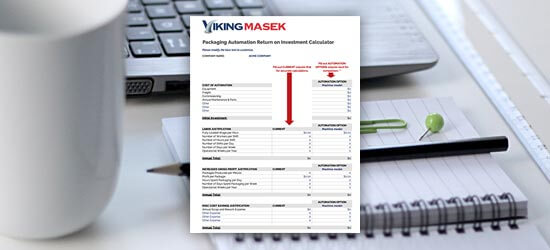
Packaging machine ROI calculator

Need help figuring out if packaging automation is right for your business?


First, start with the numbers. Download our free packing machine ROI calculator to learn how long it will take for an investment in automation to pay for itself (and much more).


Free packaging automation ROI calculator